Ecommerce Imagery
Category
Ecommerce Production
Date
Author
The Studio

A virtual photoshoot lets an ecommerce brand produce polished product, lifestyle, and on-model imagery without rebuilding the traditional shoot every time a new SKU, market, or campaign arrives.
A virtual photoshoot lets an ecommerce brand produce polished product, lifestyle, and on-model imagery without rebuilding the traditional shoot every time a new SKU, market, or campaign arrives.
A virtual photoshoot creates final product imagery from brand inputs, product references, creative direction, and an agentic production workflow. The output is not a folder of experiments. It is a usable asset system: hero image, product detail, lifestyle scene, on-model shot, paid social crop, and regional adaptation.
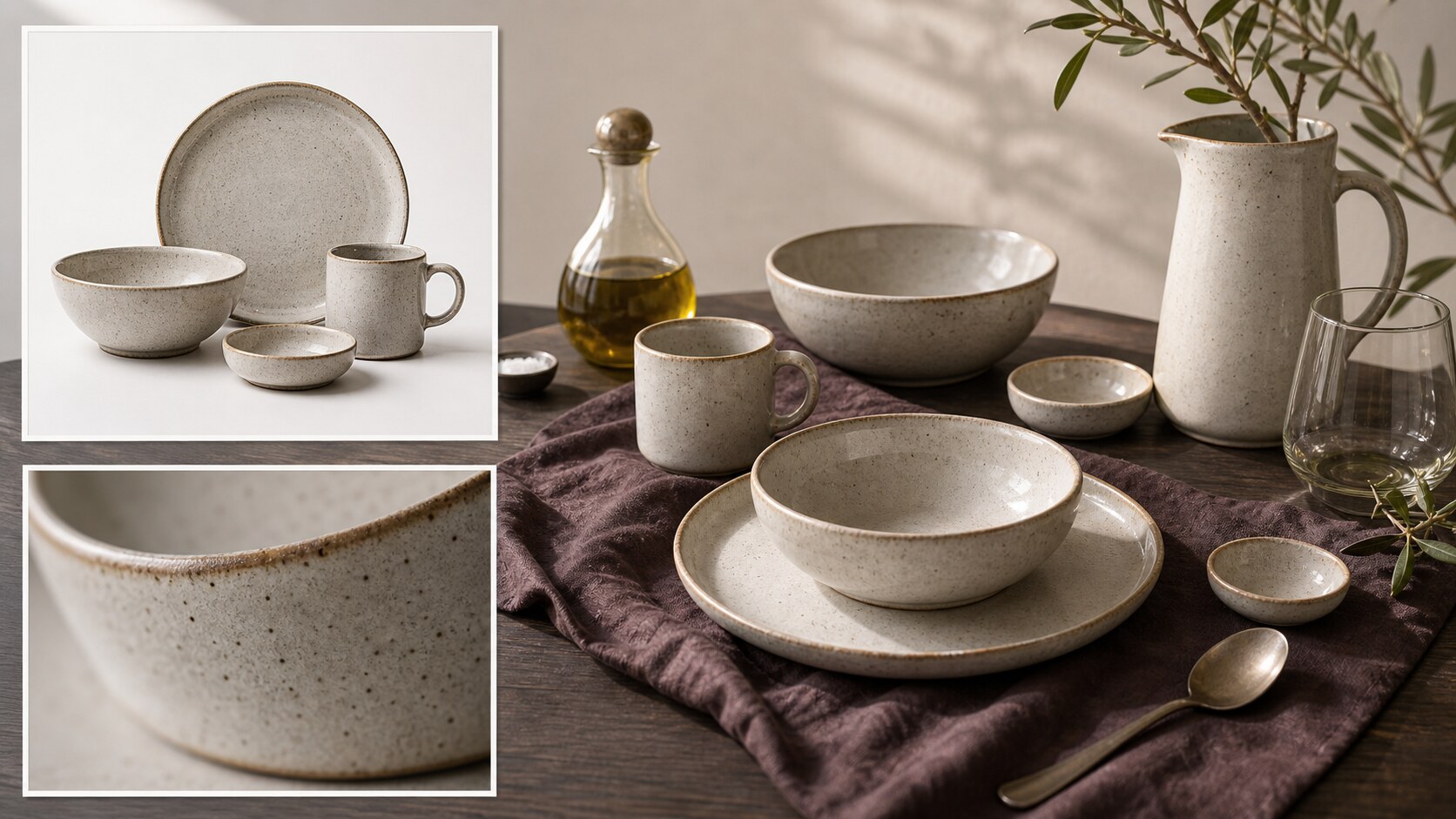
Fashion labels use it to place a jacket on model before inventory lands. Beauty brands use it to create polished launch stills and story crops. Home brands use it to show tableware in a real dining context instead of leaving it stranded on white. The useful virtual shoot makes taste repeatable across the catalog.
A generic generator answers a request. A production house makes decisions. A matte black ceramic plate may need dark wood, imperfect linen, and dinner-hour reflections. A chrome skincare bottle may need sharper surfaces and cooler light. The prompt is only one small part of the work. The image is the result of direction.
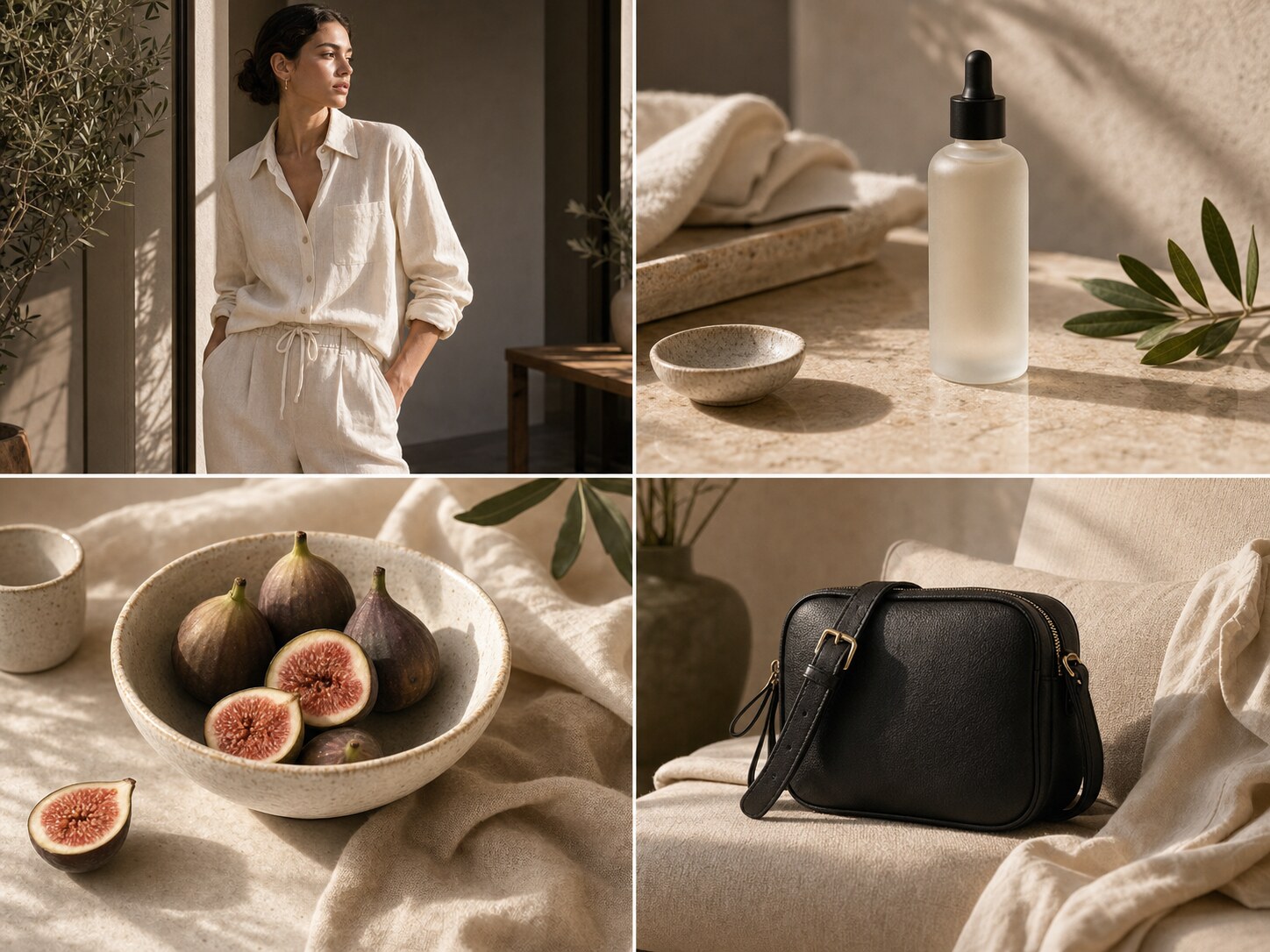
A serious ecommerce brand should not think in single images. The core set usually includes a banner, clean product-forward frame, on-model or in-use image, detail crop, and lifestyle frame. Customers buy from evidence: scale, material, use, fit, and world. A virtual photoshoot is strongest when the set is planned together.
Modio turns product, references, market, and ambition into finished imagery with direction behind it. Small brands can show up with the polish of a larger studio operation. The best virtual photoshoot does not announce itself as virtual. It looks like the brand finally had the production capacity it needed.
The audience for Modio is not looking for a novelty image. They are looking for publishable brand assets: product pages that convert, campaigns that feel specific, lookbooks that sell a collection, and market adaptations that do not require another shoot. The right output should look like something a serious fashion, beauty, home, or lifestyle brand would actually use.
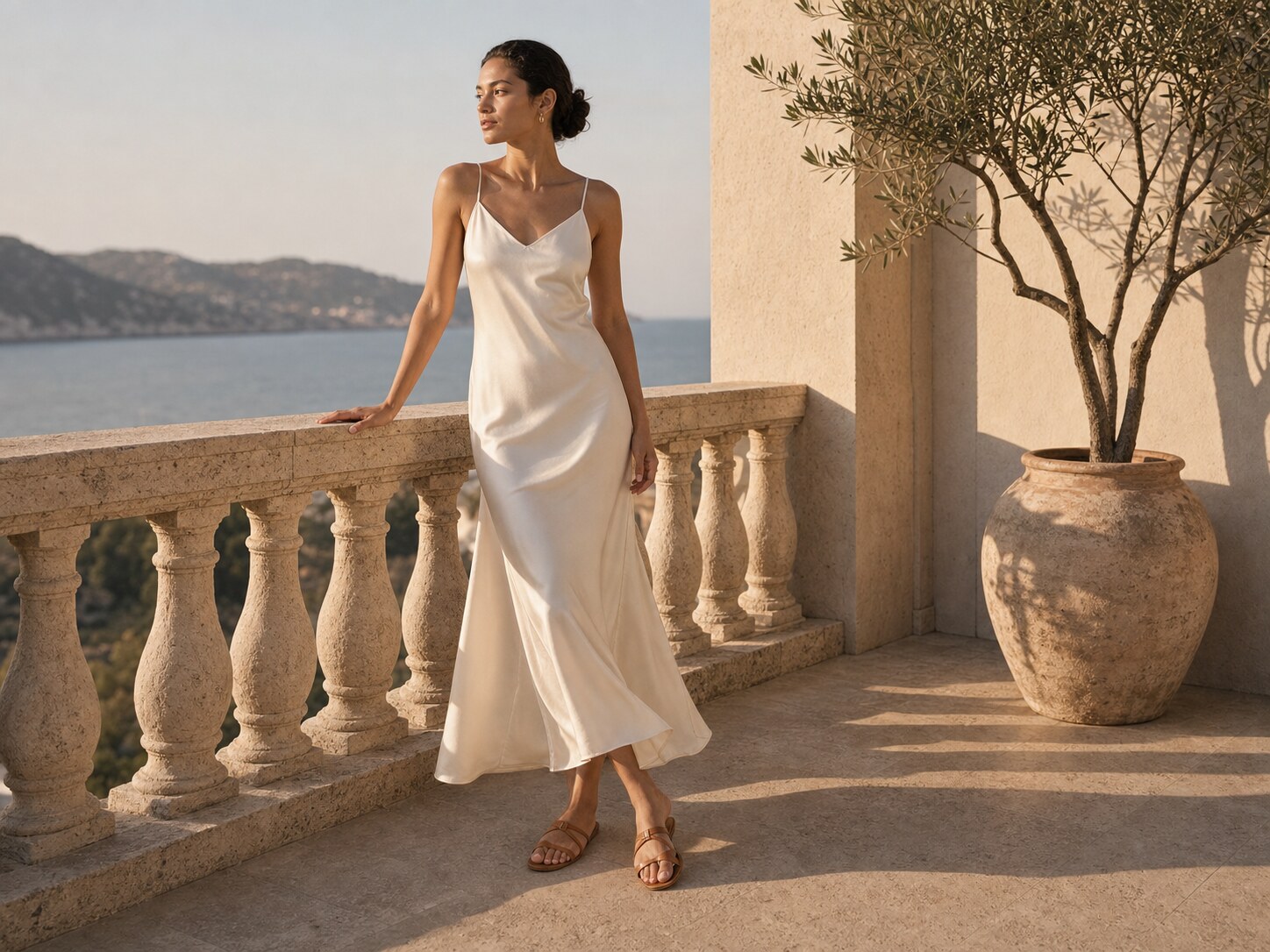
Modio exists to make that production standard accessible: final images with taste, product truth, and commercial purpose, delivered without forcing every visual problem through the old studio stack.
A useful virtual photoshoot should produce a real asset set: banner, product-forward image, lifestyle image, detail crop, social crop, and optional market adaptation. The deliverables should be built for where the brand sells, not just for how impressive the image looks in isolation.
For fashion, that means fit and movement. For beauty, it means texture, finish, scale, and skin or hand context. For home, it means material, room scale, and ritual. For accessories, it means strap length, carry style, and detail. The image must do a job.
The difference between a generic image generator and Modio is the production layer. Modio thinks about brand DNA, product truth, channel, and customer. It does not only produce an image; it builds a visual system. That matters for founders who need assets for Shopify, paid social, email, retail decks, and regional launches at the same time.
It can be, if product details remain accurate and the image is reviewed against the physical SKU. The standard is not whether it looks generated. The standard is whether it helps the shopper understand and want the product.
Start with five to seven final assets per product or campaign: hero, PDP, detail, scale or on-model, lifestyle, and one channel-specific crop.
Brief the commercial surface first. PDP, campaign, social, and wholesale each need different images. Then define the product truth and brand world.
A homeware brand has a lamp, a side table, and a textile range, but no showroom photography. A useful virtual photoshoot would not create one cinematic room and stop. It would create product-clear frames, lived-in room scenes, scale references, material crops, and social crops that all feel like the same interior world.
For Modio, that is the point of the virtual shoot: not an isolated image, but a finished commercial set. The brand gets the assets a customer expects to see before buying, and each output is composed for a real surface: PDP, collection page, email, paid social, or retail deck.
The Studio
Modio
Share this post