
Ecommerce Imagery
Category
PDP Imagery
Date
Author
The Studio
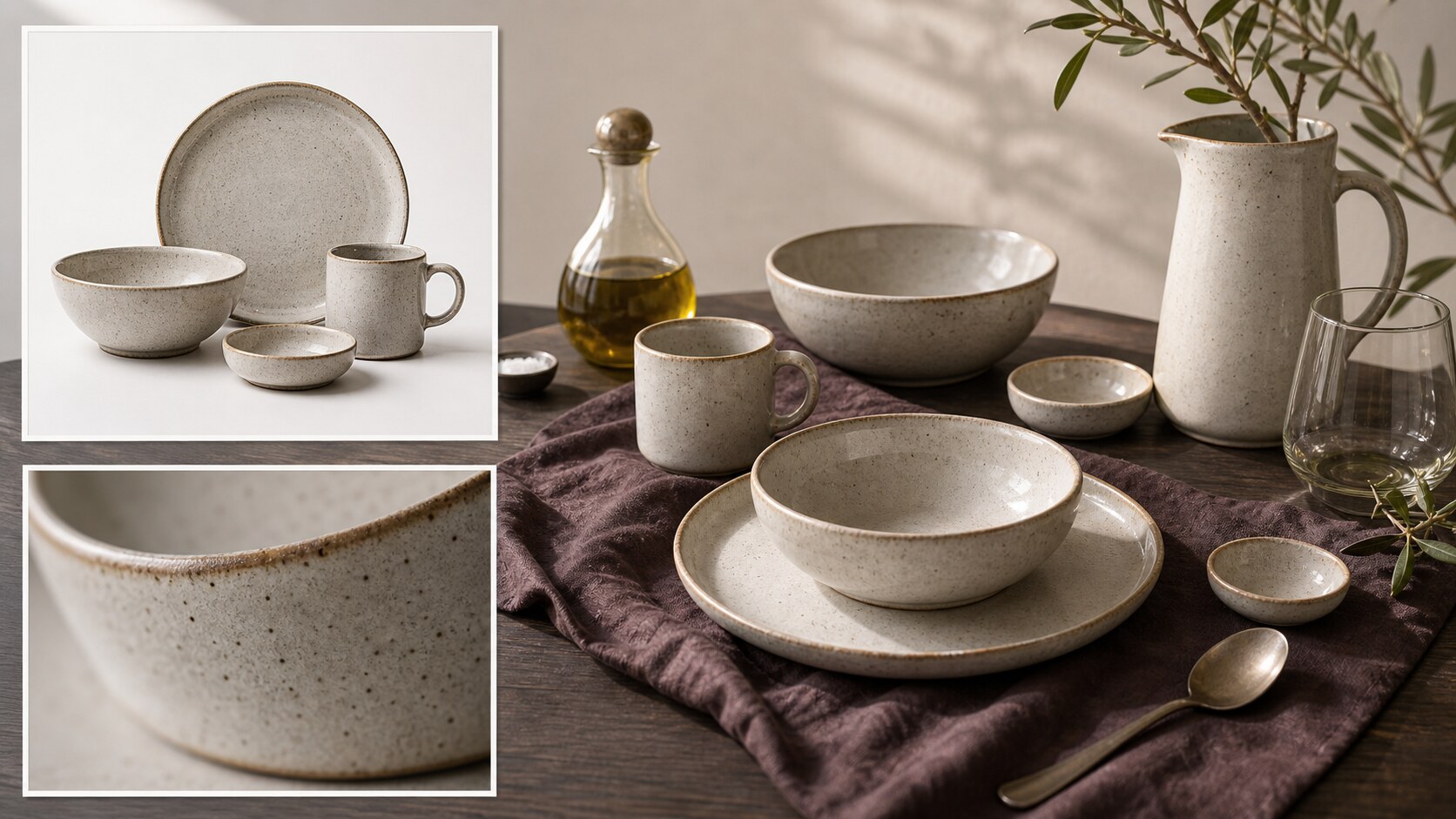
Ecommerce product photography is the sales floor. This guide shows how to build image sets that clarify the product, carry the brand, and move shoppers from curiosity to checkout.
Ecommerce product photography is the sales floor. This guide shows how to build image sets that clarify the product, carry the brand, and move shoppers from curiosity to checkout.
The main image identifies the product. The angle view explains form. The detail proves material. The scale image reduces doubt. The lifestyle image gives the product a world. The confidence image answers the question customer support keeps hearing. A PDP gallery is not a pile of pretty pictures; it is a sales argument.

White-background imagery creates clarity and compatibility with ecommerce feeds. Lifestyle imagery creates desire and context. A tableware brand needs both the clean product view and the dinner-hour scene. A sneaker needs both the product hero and the urban use case. Modio helps build both from one visual DNA.
Product images connect to structured data, page copy, filenames, alt text, speed, and user experience. Descriptive filenames and accurate alt text matter, but keyword stuffing does not. The image should describe the product clearly and match the surrounding page content. Search and shoppers both reward clarity.
Compression matters, but damaged texture costs trust. Color consistency matters even more. A garment that shifts from olive to brown across images creates return risk. A blush shade that changes between PDP and lifestyle creates hesitation. The product should feel like one object across the whole gallery.
The old production model makes every SKU a new event. Modio lets brands define crop rules, model direction, surfaces, palette, and styling limits once, then apply that visual DNA across the catalog. The result is not one lucky image. It is a controlled ecommerce image system.
The audience for Modio is not looking for a novelty image. They are looking for publishable brand assets: product pages that convert, campaigns that feel specific, lookbooks that sell a collection, and market adaptations that do not require another shoot. The right output should look like something a serious fashion, beauty, home, or lifestyle brand would actually use.
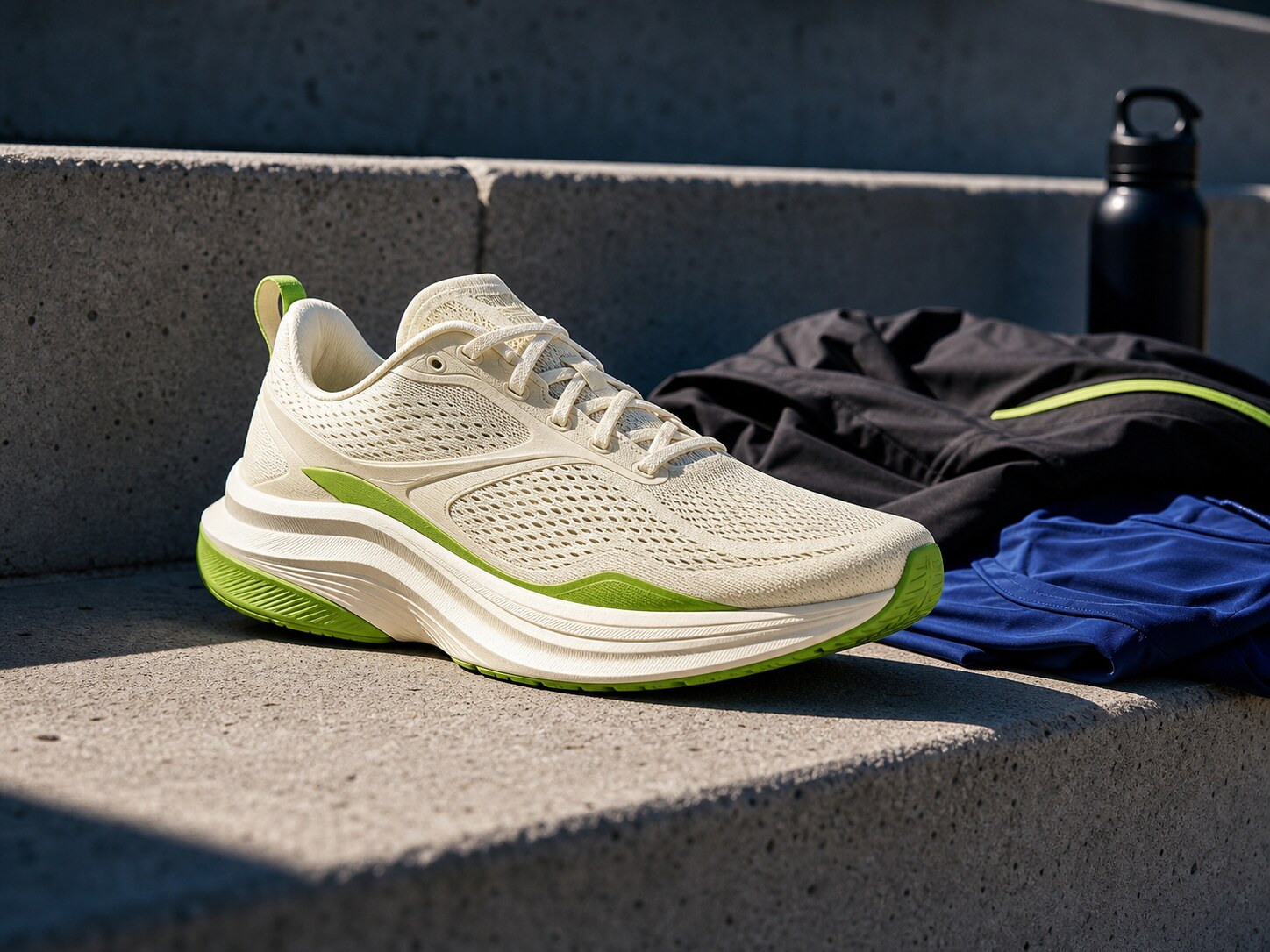
Modio exists to make that production standard accessible: final images with taste, product truth, and commercial purpose, delivered without forcing every visual problem through the old studio stack.
For each SKU, build a sequence: clean product hero, alternate angle, material close-up, scale or on-model view, lifestyle context, and one conversion-supporting detail. The order matters because mobile shoppers scan fast. Put the image that answers the biggest uncertainty early.
For a bag, that may be product front, on-body scale, interior, hardware detail, and lifestyle carry. For skincare, it may be packshot, texture, hand use, bathroom shelf, and regimen pairing. For tableware, it may be product hero, full set, glaze macro, table setting, and room context.
Before publishing, compare every image against the physical SKU. Color should stay consistent. Proportions should not change. Texture should remain visible after compression. Lifestyle scenes should not hide the product. Alt text should describe the image's actual purpose, not stuff keywords.
Usually five to seven strong images beat twenty weak ones. The right number is the number needed to answer scale, material, use, fit, and variant questions.
For most DTC brands, yes. They make the product feel owned. The clean packshot tells the shopper what it is; lifestyle tells them why it belongs.
Modio helps create the missing image types that make pages more useful. The SEO work still needs descriptive filenames, useful alt text, structured data, and fast image delivery.
A footwear brand is launching a new running shoe in three colorways. The product page cannot rely on one white-background image and one lifestyle hero. It needs outsole detail, side profile, on-foot scale, material texture, and a high-energy scene that makes the shoe feel active without hiding the product.
Modio turns that requirement into a repeatable PDP system. Each colorway keeps the same crop logic and product accuracy, while the lifestyle frames create desire for ads, email, and collection pages. The brand gets a gallery that helps shoppers decide, not just a set of images that look expensive.
Before a PDP image set goes live, test it against the questions a shopper brings to the page. Can they understand scale on mobile? Can they see the material? Can they trust the color? Can they imagine use without losing product clarity? A strong gallery makes those answers obvious. That is the difference between content and commerce imagery.

The Studio
Modio
Share this post

