
Ecommerce Imagery
Category
Lookbooks
Date
Author
The Studio

A studio is not what makes a lookbook feel expensive. Direction does. Brands can build campaign-grade lookbooks without renting a white box when the visual world and output system are clear.
A studio is not what makes a lookbook feel expensive. Direction does. Brands can build campaign-grade lookbooks without renting a white box when the visual world and output system are clear.
The white studio wall is controllable, but often not the most interesting answer. A linen resort set may sell better against sun-baked plaster. A technical jacket may need wet pavement. A tableware collection may need dinner-hour shadows. The location is not the proof. The world is.
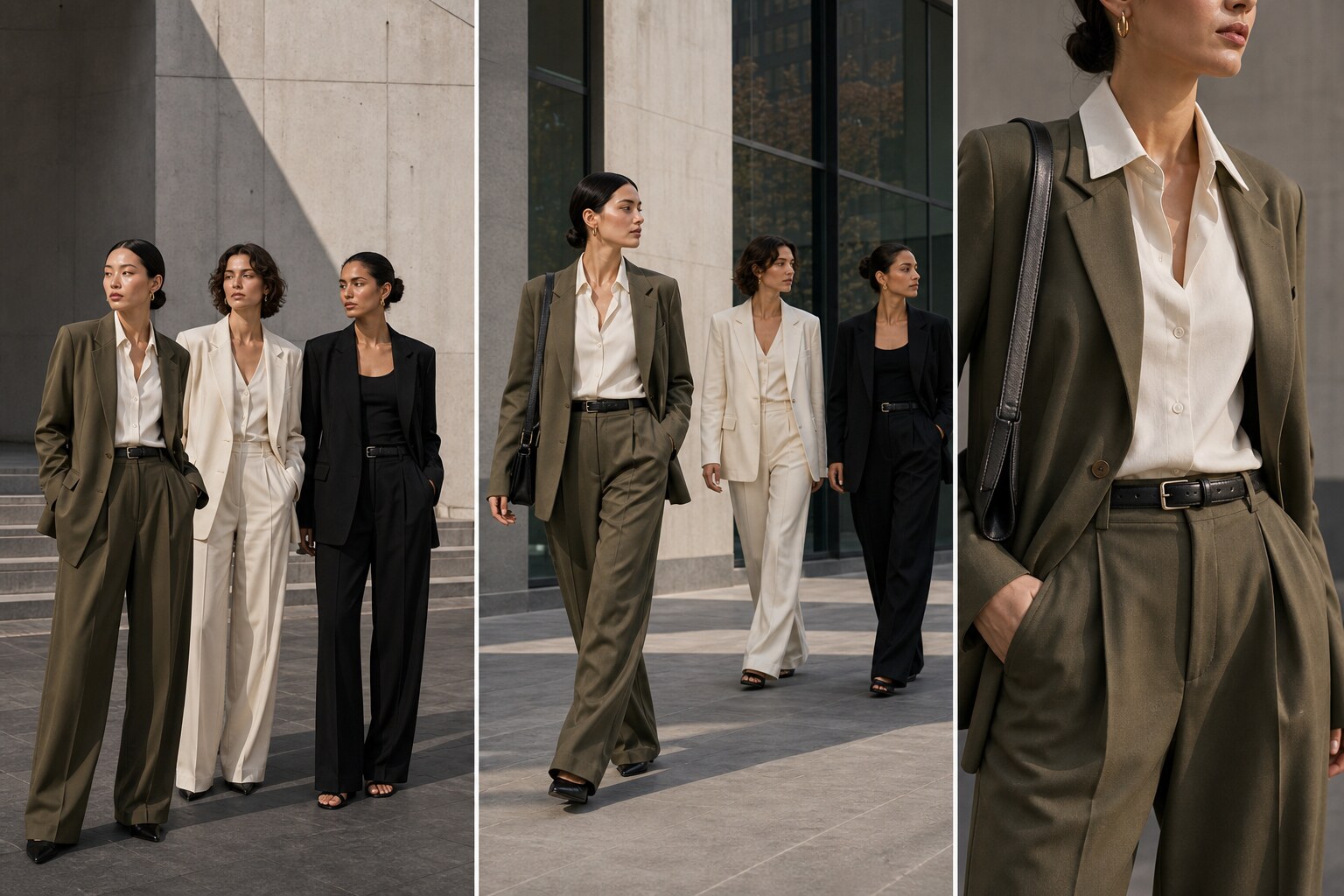
A lookbook is paced like an edit. The opener establishes the world. The middle builds range through movement, detail, and silhouette. The closer leaves a residue. A buyer should understand the collection in ten seconds and want to return for detail.
Without a studio, polish comes from decisions: model presence, product hierarchy, light, crop, styling, and what the brand refuses to do. Beauty is too broad. Some frames need warmth, some restraint, some tension. The lookbook should hold one world, not one note.
Each key look needs a full-body editorial frame, cropped detail, movement frame, and product-forward image. That gives the brand assets for collection pages, wholesale, social, email, and press. A founder does not need ten dramatic frames that all do the same job.
Modio turns the collection, customer, season, markets, and references into a finished lookbook system. Brief in, work out. The studio used to prove a brand was serious. Now the finished work proves it.

The audience for Modio is not looking for a novelty image. They are looking for publishable brand assets: product pages that convert, campaigns that feel specific, lookbooks that sell a collection, and market adaptations that do not require another shoot. The right output should look like something a serious fashion, beauty, home, or lifestyle brand would actually use.
Modio exists to make that production standard accessible: final images with taste, product truth, and commercial purpose, delivered without forcing every visual problem through the old studio stack.
Build the lookbook as a sequence. Open with the strongest silhouette. Move into range: full-body, detail, movement, accessory, and quiet emotional frame. Close with the image that leaves the brand world intact. The sequence matters more than the room where it was made.
For ecommerce, make sure each look has at least one product-clear image. A buyer should not have to guess length, fabric, fit, or styling. The lookbook can be editorial, but it still needs to sell.
Yes. Premium comes from direction, consistency, and product clarity. A studio is only one way to control those things.
Hero image, full-body looks, movement frames, product details, accessory crops, and a few channel-specific crops for social, email, and wholesale.
Lock the world: palette, model energy, crop behavior, light, styling, and what the brand refuses to do. Then make every frame obey those rules.
A young label has eight looks and needs a buyer-ready lookbook before the next wholesale conversation. The collection needs full-body clarity, detail crops, a few emotional frames, and social assets that still feel connected to the sequence. The constraint is not a missing studio. The constraint is maintaining one visual world across the whole collection.
Modio can treat the lookbook like an edited story. Each frame carries the same palette, model energy, crop discipline, and product priority. The result is not a fake version of a studio shoot. It is a finished lookbook system that makes the collection easier to understand, pitch, and sell.
Do not stop at full-body looks. A useful no-studio lookbook should include an opening hero, one clear frame per look, detail crops for fabric and construction, accessory moments, a few emotional images for brand atmosphere, and channel crops for homepage, email, social, and wholesale decks. When Modio builds the whole package together, the collection keeps one visual rhythm instead of becoming a set of disconnected product images.
The final test is sequence. Put the images in order and ask whether the collection gains momentum from page to page. If the answer is yes, the lookbook is doing more than showing clothes. It is selling a point of view.
The Studio
Modio
Share this post

