
Ecommerce Imagery
Category
Production Economics
Date
Author
The Studio

A traditional fashion shoot is rarely priced by the photo. It is priced by the whole system around the photo: talent, styling, rights, retouching, coordination, and every asset variation the brand needs after the day is over.
A traditional fashion shoot is rarely priced by the photo. It is priced by the whole system around the photo: talent, styling, rights, retouching, coordination, and every asset variation the brand needs after the day is over.
In 2026, basic ecommerce product photography often prices around $25 to $150 per final image, while more styled product or lifestyle imagery commonly runs $100 to $500+ per final image. A small photographer-led ecommerce day can sit around $800 to $3,500+ before the full crew is added. A campaign package with models, styling, creative direction, post-production, and usage can move into the $5,000 to $25,000 range fast.
For fashion lookbooks in expensive production markets, the extras are often what break the budget: studio or location, stylist, hair, makeup, assistant, retoucher, samples, and usage. The useful measure is not the day rate. It is cost per usable finished asset.
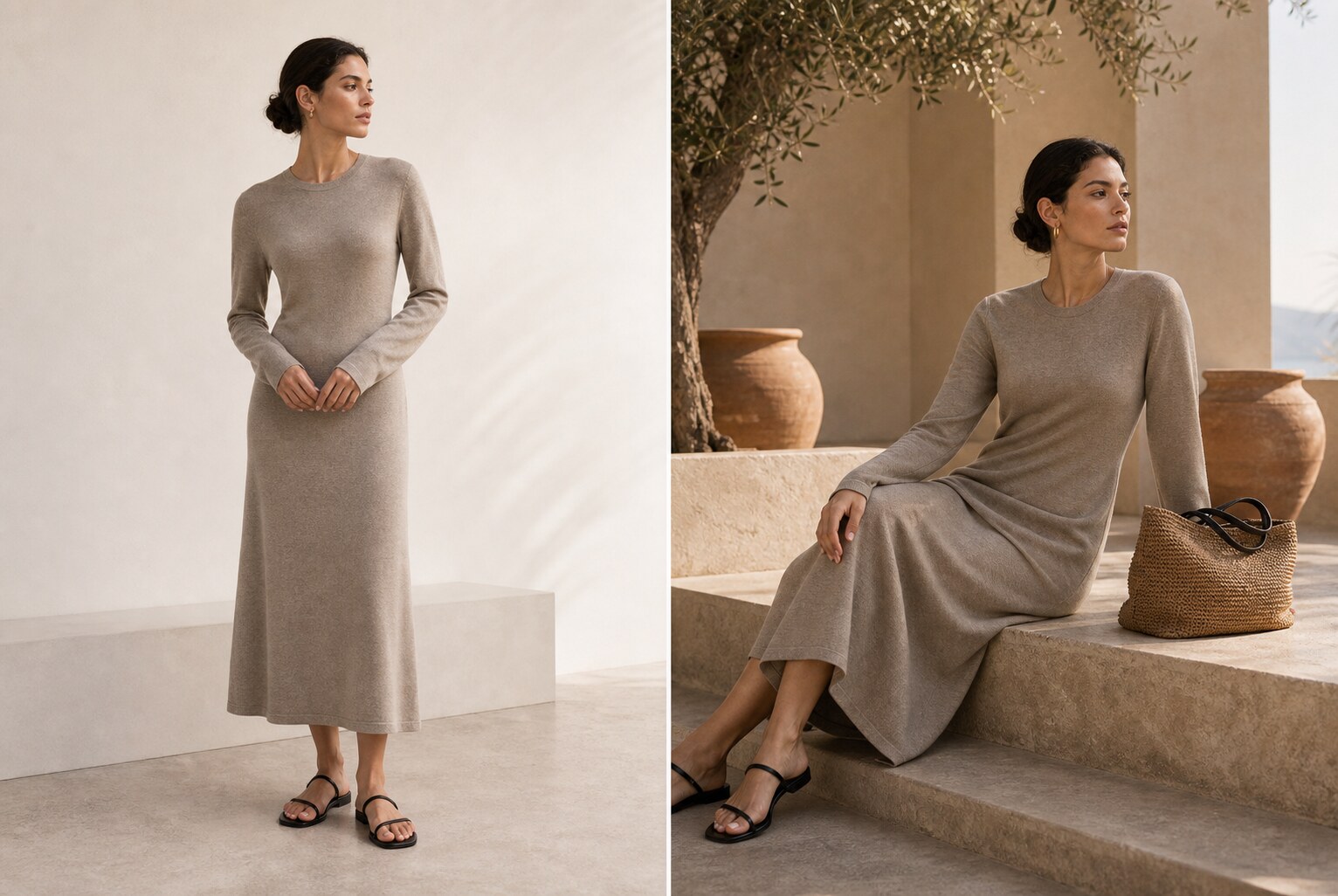
The visible line item is often the photographer, but the real stack includes talent, styling, makeup, location, retouching, licensing, sample logistics, approvals, and asset resizing. Variation is the multiplier. Every new market, crop, setup, or model can behave like a new production.
As a planning model, a 10-SKU fashion drop with six useful images per SKU can cross $4,500 at only $75 per final image. Add one styled lifestyle setup, model usage, retouching rounds, and paid-social crops, and the budget no longer behaves like "just product photography." It becomes a launch content system.
Brands should buy the finished image system they need, not production gravity. PDP images, social crops, lookbook frames, and market variants do not all deserve the same production path. Spend real shoot money where the physical world changes belief. Use Modio where the need is controlled variation.
Shoot a small real anchor if the product needs proof. Then let Modio expand the world: new models, new markets, new scenes, new crops, and new campaign directions. This protects product truth without forcing every creative need through the old day-rate economy.
The point is not to make imagery cheaper. The point is to stop paying for friction the customer never sees. Modio gives brands the finished work: direction applied, product protected, images out.
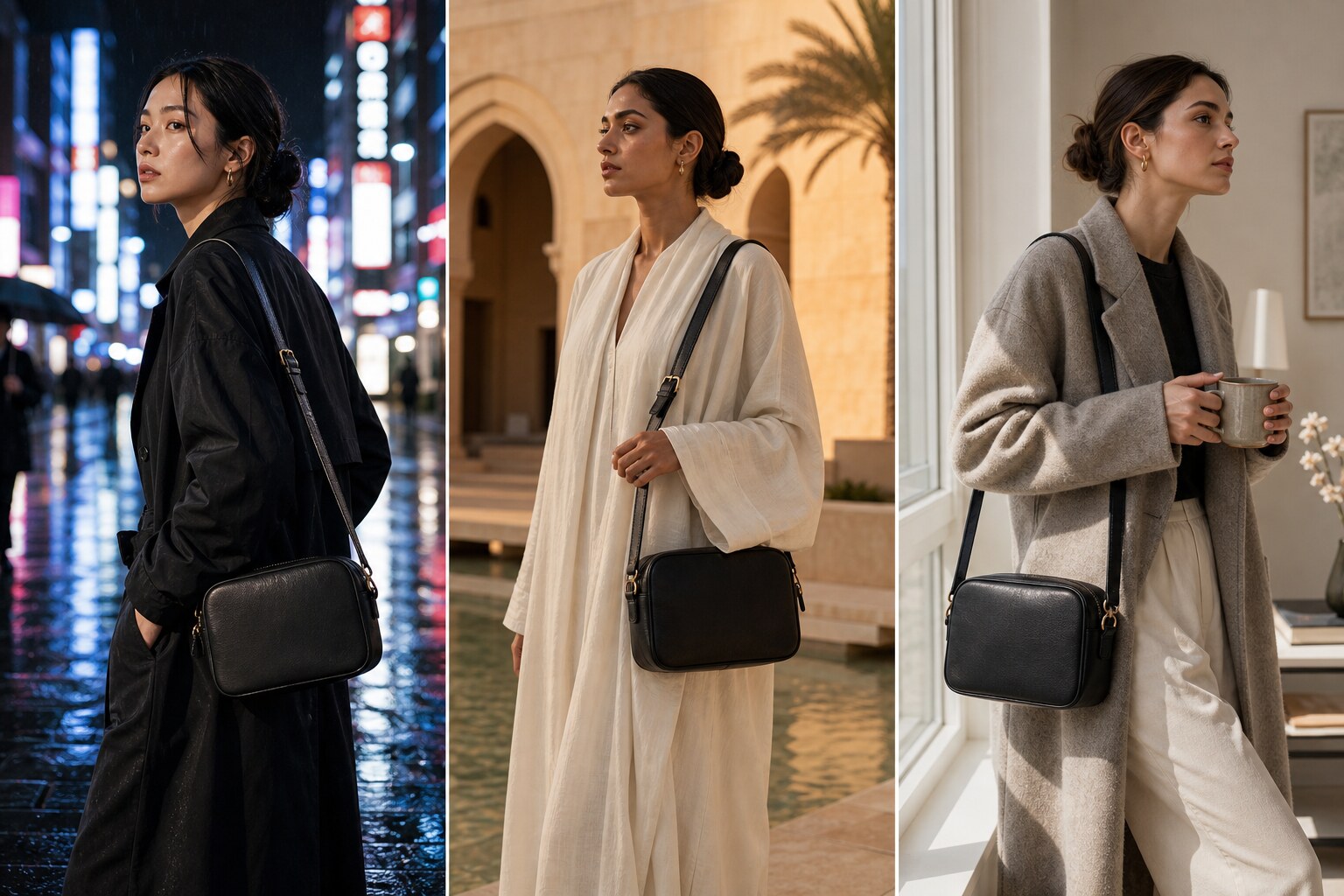
The audience for Modio is not looking for a novelty image. They are looking for publishable brand assets: product pages that convert, campaigns that feel specific, lookbooks that sell a collection, and market adaptations that do not require another shoot. The right output should look like something a serious fashion, beauty, home, or lifestyle brand would actually use.
Modio exists to make that production standard accessible: final images with taste, product truth, and commercial purpose, delivered without forcing every visual problem through the old studio stack.
Separate your image needs into three layers. The commerce layer needs clean PDP, detail, scale, and variant images. The desire layer needs campaign, lookbook, and social images. The expansion layer needs market adaptations, seasonal refreshes, and new crops. Do not buy all three layers through the same production model by default.
Use real production where it changes belief: complex fit, physical movement, known talent, or a hero image that needs real-world credibility. Use Modio where the need is variation, adaptation, and coverage. That is how a brand spends money where the customer can feel it.
The cheapest useful route is a hybrid: capture product truth clearly, then use Modio to produce the surrounding PDP, campaign, and market assets.
Because every additional model, location, look, crop, market, and usage term adds friction. The shoot day is only one part of the cost.
Compare against cost per usable final asset, not the day rate of a shoot. If Modio creates the PDP set, social variants, and localized campaign assets, it is replacing a broader production workload than one photo.
For a small fashion launch, spend the real-world budget where it protects trust: accurate product capture, fit proof for the key garment, or one hero moment that needs physical credibility. Then use Modio for the asset expansion that usually causes budget creep: alternate model profiles, market-specific settings, email crops, paid-social variants, and seasonal refreshes.
That does not mean buying cheaper images. It means buying the right production layer for each commercial job. If a $7,500 shoot produces eight final assets, the cost is $937 per usable image before the internal coordination cost. If the same product reference can support 30 additional Modio assets for PDP, social, and market adaptation, the total launch library becomes much more useful without forcing every visual need through the same crew day.
The Studio
Modio
Share this post

