
Ecommerce Imagery
Category
Fashion Ecommerce
Date
Author
The Studio

Ghost mannequin photography gives apparel the structure of a worn garment without the distraction of a visible model. Used well, it creates clean PDP clarity and a stronger foundation for on-model and detail imagery.
Ghost mannequin photography gives apparel the structure of a worn garment without the distraction of a visible model. Used well, it creates clean PDP clarity and a stronger foundation for on-model and detail imagery.
Ghost mannequin imagery gives apparel structure without distraction. It shows neckline, sleeve shape, waist, hem, and body volume in a clean product-first way. For ecommerce, that clarity is valuable. It becomes even stronger when paired with on-model and detail outputs that add fit, scale, and desire.
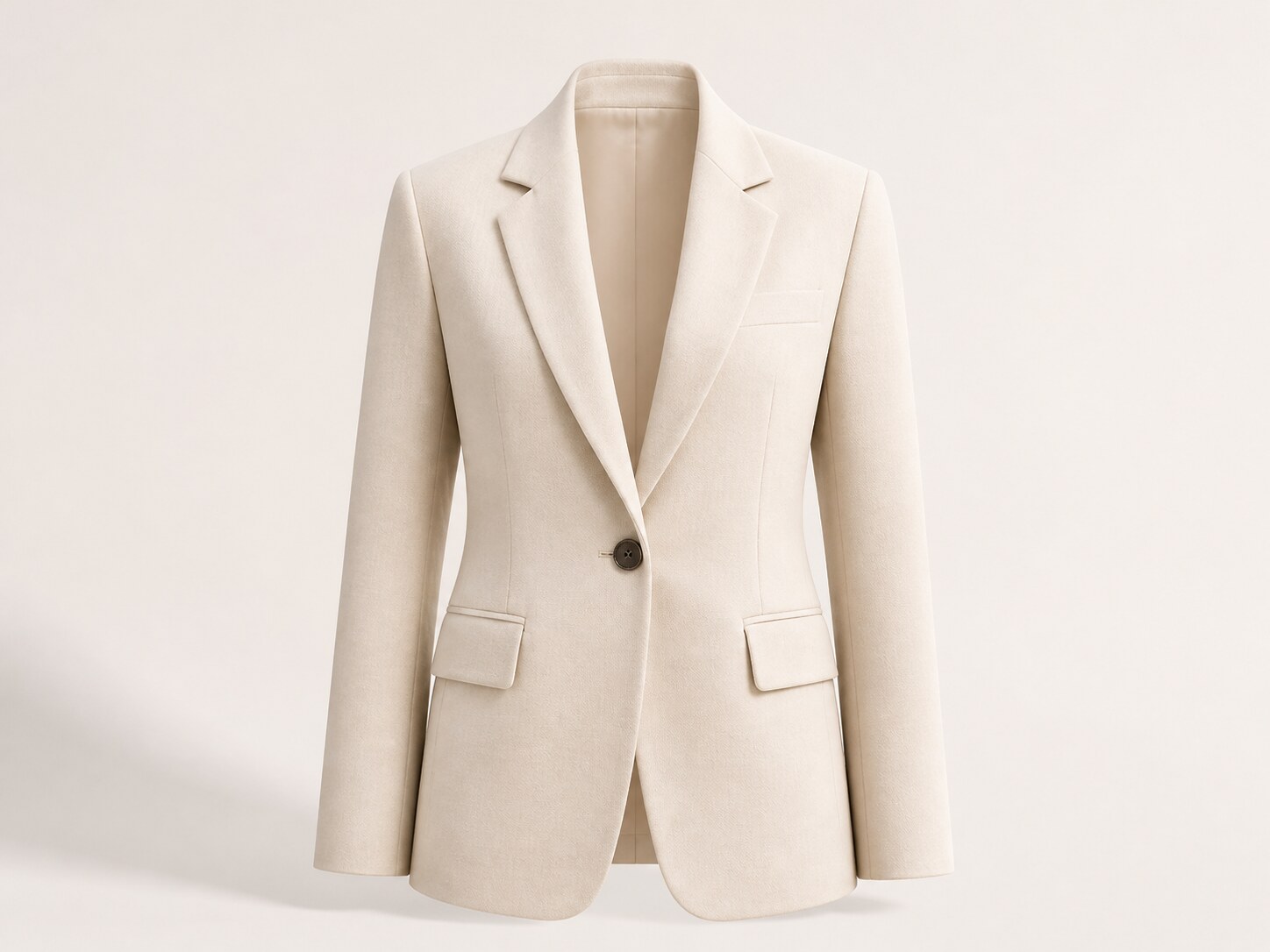
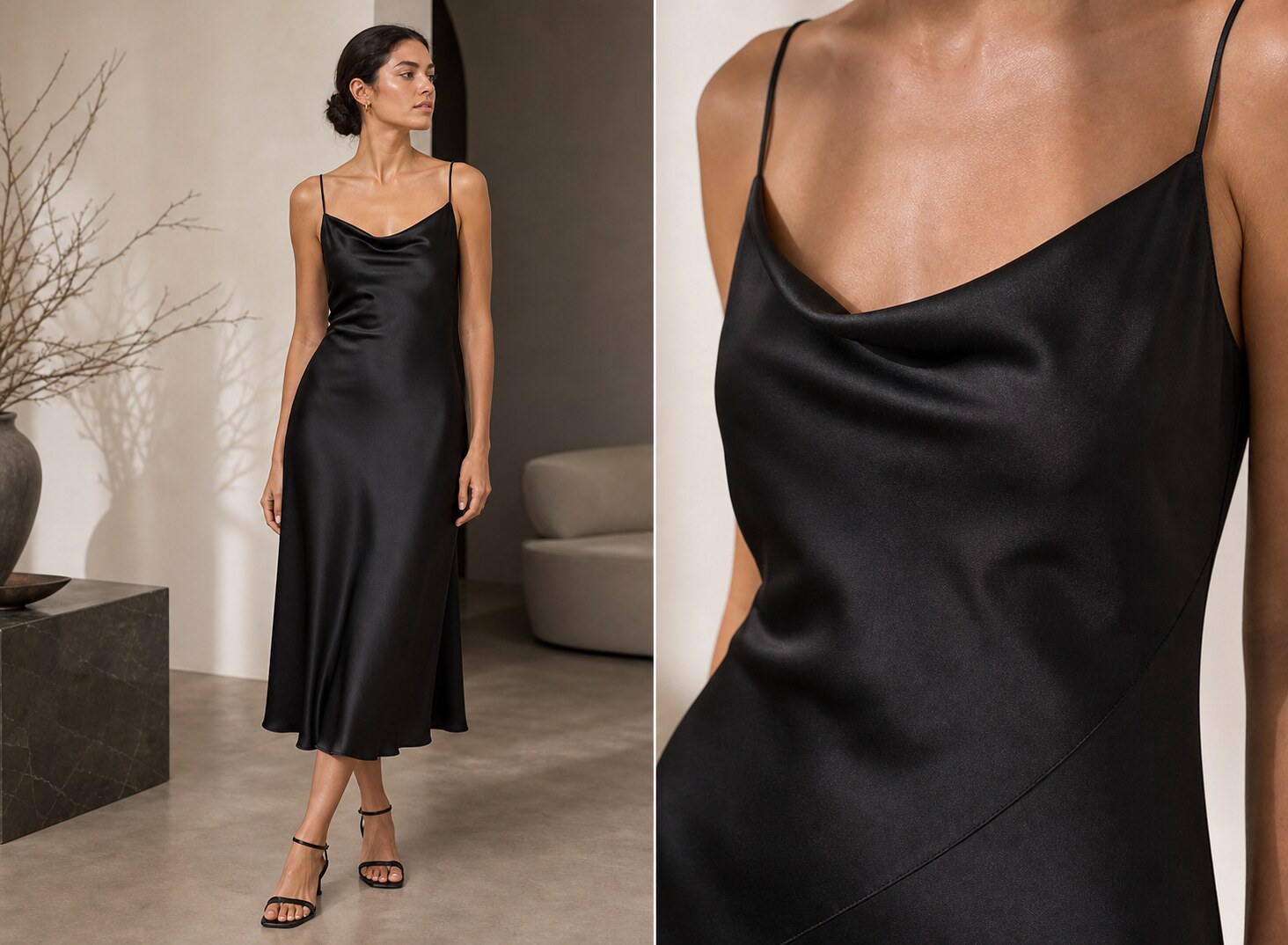
A strong apparel PDP can lead with a clean ghost mannequin image, support with an on-model frame, then answer material questions through detail crops. The ghost image clarifies shape. The on-model image explains fit and proportion. The detail crop proves texture and construction. Modio turns those roles into one coherent visual system.
The invisible form should clarify the garment, not exaggerate it. A blazer needs natural shoulder volume and lapel depth. A silk blouse needs softness and accurate sheen. Denim needs seam, pocket, rise, and weight. The output should feel crisp but truthful. Over-retouched ghost imagery creates distrust.
Stretchwear, tailoring, sheer fabrics, eveningwear, and performance apparel often need a body to explain fit. The on-model image should complement the ghost view rather than overpower it. The garment stays the product. The model brings scale and context.
Brief the finished asset: garment category, silhouette, material, color, angle, crop, background, and use case. Add constraints that protect the SKU: no invented details, no text, no logos, no distracting props, no visible process. Modio works best when the desired final image is explicit.
The audience for Modio is not looking for a novelty image. They are looking for publishable brand assets: product pages that convert, campaigns that feel specific, lookbooks that sell a collection, and market adaptations that do not require another shoot. The right output should look like something a serious fashion, beauty, home, or lifestyle brand would actually use.
Modio exists to make that production standard accessible: final images with taste, product truth, and commercial purpose, delivered without forcing every visual problem through the old studio stack.
Lead with ghost mannequin when clarity matters: blazers, shirts, jackets, coats, trousers, and pieces where construction is the selling point. Then add on-model and detail images so the shopper can understand fit, proportion, and material. Ghost mannequin is the technical baseline, not the whole story.
A strong apparel page might show a cream blazer as a clean ghost product image, then on a model, then close on lapel, sleeve, and woven texture. The images should feel like one brand asset system, not three unrelated shoots.
Premium ghost imagery has accurate shoulder volume, clean collar geometry, believable sleeve structure, and a subtle grounded shadow. The background should be quiet. The crop should leave enough margin. The garment should not be clipped into an impossible shape.
It is better for shape and structure. Flat-lay can be good for styling and editorial mood, but ghost mannequin usually gives apparel shoppers more product information.
Yes, when fit, scale, and styling matter. Ghost mannequin clarifies product structure; on-model clarifies how it lives.
Yes. Modio can produce a clean ghost-style product image, on-model PDP support, and detail imagery from one product direction so the page feels coherent.
A tailoring brand needs a blazer page that sells construction, not just mood. The ghost image should show shoulder line, lapel roll, sleeve shape, button placement, and hem proportion. Then the page needs an on-model frame for fit, a close crop for weave, and a styled image that gives the jacket a world.
Modio can build that set from one product direction. The ghost image handles clarity, the on-model image handles proportion, and the editorial crop handles desire. The result is a PDP that feels premium while still answering the practical questions apparel shoppers ask before they buy.
Give Modio the construction details that cannot drift: shoulder shape, sleeve length, collar style, waist position, hem, fabric weight, and hardware. Then define how the garment should feel on the page: minimal, technical, luxury, relaxed, or editorial. The more precisely the product truth is described, the more freedom the final image can have without becoming misleading.

The Studio
Modio
Share this post

